Trust Signals to Audit Before Buying HNB Sticks From an Online Shop

Trust Signals to Audit Before Buying HNB Sticks From an Online Shop
Trust in an online heat-not-burn shop is not a feeling you get from a nice banner. It is a set of observable signals you can inspect before you spend money. Anyone buying HNB sticks online in Europe should be able to open a product page and answer a few concrete questions: Who runs this shop? What exactly am I buying? How is it shipped, and what happens if something goes wrong? When I audit a shop like puff-eu.com/fr, I do not start with the price. I start with the signals that tell me whether the order will arrive as described. This article walks through those signals one by one, in the order a careful adult buyer would check them.
1. Brand and Domain Consistency
The first signal is the simplest and the most often skipped: does the brand name on the page match the domain in the address bar? A shop that calls itself one thing in the header and sits on a domain that has nothing to do with that name is already harder to verify. Consistency between the displayed brand, the domain, and the contact details is a basic sign that the same entity is behind the whole storefront.
On a well-run heat-not-burn shop, you should see the same brand identity across the homepage, product categories, checkout, and legal pages. The domain should not redirect through three unrelated addresses before you reach the product page. If you are browsing a French-language section of a shop, the URL structure and the language should line up with what the page actually offers. Mismatches here are not automatically fraud, but they are friction, and friction is where mistakes happen.
I also look at how the shop describes itself. A retailer of heat-not-burn devices and sticks should say so plainly. Vague language that could describe anything is a weaker signal than a clear statement of what is sold, who it is for, and where it ships.
2. Product Pages That Show What You Actually Get
The product page is where trust is either built or lost. For HNB sticks, the details that matter are specific: brand, variant, pack size, number of sticks per pack, and compatibility with the device you own. A page that lists a product name and a price but nothing else forces you to guess, and guessing is how you end up with sticks that do not fit your device.
What I want to see is a structured description: what the product is, which heating device it is designed for, how many packs are in the order, and any relevant notes about storage or handling. Clear pack-size information is especially important because HNB consumables are often sold in multi-pack listings, and a missing multiplier changes the real price per stick by a large margin.
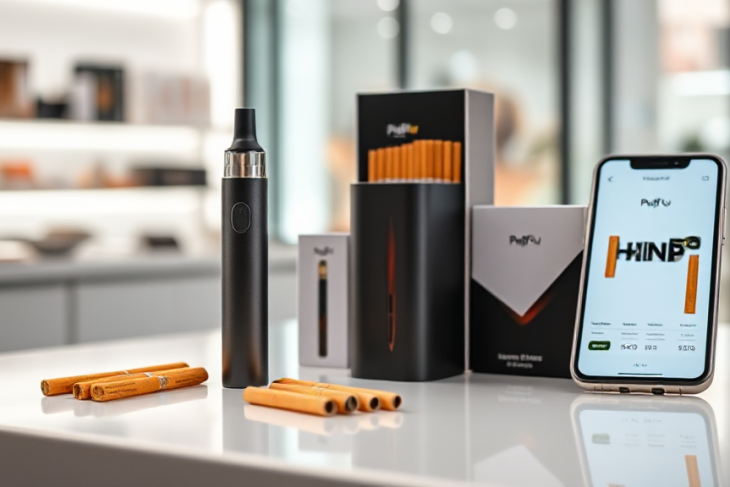
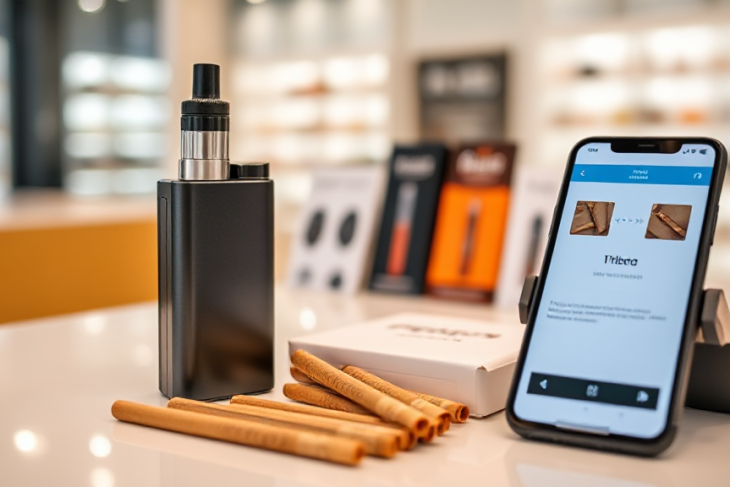
Photographs matter too, but not in the way marketing teams often assume. A clean, realistic photo of the actual product is a stronger signal than a heavily stylized image that could belong to any shop. If the same image appears on a dozen unrelated sites, that tells you something about how much effort went into the listing.
Finally, check whether the page states availability honestly. “In stock” that turns into a two-week wait after payment is a broken promise. A shop that shows realistic stock status and delivery estimates is telling you it tracks its own inventory.
3. Pricing, Currency, and the Total at Checkout
Price is a signal, but not in the way bargain hunters expect. An unusually low price on HNB sticks is not automatically a red flag, but it deserves a second look. Ask what is included: is the price per pack or per carton? Are taxes included? Is shipping added later? The number you see on the category page is rarely the number you pay, and the difference between those two numbers is where trust is tested.
A reliable shop shows the currency clearly and applies it consistently. If you are shopping from a European country, you should be able to tell whether prices include VAT and what the shipping cost will be before you enter payment details. Hidden fees that appear only at the final step are one of the most common complaints in cross-border e-commerce, and they are entirely avoidable when the shop is transparent.
I also compare the price against the pack size one more time before ordering. A listing that looks cheap per unit but contains fewer sticks than expected is not a bargain. Doing this arithmetic yourself, once, is the difference between a good order and a refund request.
4. Shipping, Delivery Windows, and Geographic Coverage
For a European buyer, delivery information is not a footnote. It is one of the main reasons to choose one shop over another. A trustworthy HNB retailer states which countries it ships to, which carrier it uses, and what the expected delivery window is. “Fast delivery to Europe” is a claim; a table of countries and estimated transit times is evidence.
Look for specifics. Does the shop ship from within the EU, or does the parcel cross a customs border? That single detail affects both delivery time and whether you may owe import charges. If the shop ships from outside the EU, it should say so clearly rather than letting you discover it when the courier asks for payment.
Tracking is another signal. A shop that provides a tracking number as standard, rather than as an optional upgrade, is treating delivery as part of the product. And if something goes wrong in transit, the returns and claims policy should tell you who is responsible and how to start a claim. A policy written in plain language, with a stated response time, is worth more than a page of legal boilerplate.
5. Payment Methods and Checkout Security
Checkout is where you hand over both money and personal data, so the signals here carry more weight than anywhere else. The first thing to check is whether the payment page uses a recognizable, established payment provider. Card payments processed through a major provider, bank transfers, or other mainstream methods all leave a paper trail that protects you if the order goes wrong.
The second signal is the connection itself. The checkout should load over HTTPS, and the browser should show the secure connection indicator without warnings. If your browser flags the payment page, stop and do not enter card details. That is not a style preference; it is a basic safety rule.
The third signal is what the shop does with your data. A checkout that asks only for the information needed to fulfil the order, and states how that information is used, is behaving normally. A checkout that asks for unnecessary personal details before showing you a total is not.
Finally, read the payment terms before you confirm. What is the refund process? How long does a refund take? Is there a stated procedure for a damaged or incorrect order? These are the questions you want answered before you need them, not after.
6. Contact Details, Legal Pages, and Company Transparency
A shop that is serious about staying in business makes it easy to reach a human. Look for a contact page with more than a single anonymous form: an email address, a business address, and ideally a phone number or chat option. Then check whether the legal pages exist and are specific.
Terms and conditions, a privacy policy, a shipping policy, and a returns policy should all be present and written for this shop, not copied from a template with the brand name swapped out. The company information should identify who is selling to you. In European e-commerce, this is not a nice-to-have; it is part of how consumer protection works.
I also test the contact channel lightly before ordering. A short question about a product detail, sent to the listed address, tells you a lot. A reply within a reasonable time, written by someone who understood the question, is one of the strongest trust signals a shop can give. Silence, or an automated reply that never leads anywhere, is a warning.
Age verification is part of this picture as well. Heat-not-burn products are for adults, and a responsible shop makes that clear and enforces it. A storefront that treats age restrictions casually is signalling that it treats other rules casually too.
7. Reviews, Reputation, and Post-Purchase Behaviour
Reviews are useful, but only if you read them like an auditor rather than a shopper. Look for reviews that mention specific things: delivery time to a named country, condition of the packaging, whether the product matched the description, how a problem was resolved. Generic five-star comments with no detail are weak evidence. Detailed accounts, including mildly negative ones that were resolved, are much stronger.
Check where the reviews live. Reviews hosted on the shop’s own site can be genuine, but independent forums and community discussions are harder to fake. If a shop is active in HNB communities and has a visible history, that history is a signal in itself.
Post-purchase behaviour is the final test. Does the shop send an order confirmation immediately? Does it notify you when the parcel ships? Does it follow up if there is a delay? A shop that communicates proactively is one that has processes in place, and processes are what protect you when something unusual happens.
Put together, these seven signals form a checklist you can run in about ten minutes. None of them is conclusive on its own. Together, they turn a vague sense of whether a shop seems fine into an actual assessment, and that is what a careful buyer wants before ordering HNB sticks online.
FAQ: Verifying an Online HNB Shop
How can I tell if an HNB online shop is legitimate?
Check the fundamentals first: consistent branding between the site name and domain, complete contact details, real legal pages, secure HTTPS checkout, and mainstream payment methods. Then look for specific product information and realistic delivery estimates. A shop that is transparent about who it is, what it sells, and how it ships is showing you the signals that matter.
What should I check on an HNB product page before ordering?
Confirm the exact product variant, the pack size, the number of sticks included, and compatibility with your heating device. Check whether the price is per pack or per carton and whether taxes and shipping are included. If any of these details are missing or ambiguous, ask the shop before you order rather than after.
Is it safe to pay by card on a heat-not-burn shop?
Paying by card is safe when the checkout uses a recognized payment provider and loads over a secure HTTPS connection. Never enter card details on a page your browser flags as insecure. If you prefer extra distance, check whether the shop offers alternative payment methods and read the refund terms before confirming the order.
How do I know whether delivery to my country is reliable?
Look for a shipping page that names the countries served, the carrier, the dispatch location, and an estimated delivery window. Shops that ship from within the EU usually offer more predictable transit times for European buyers. Tracking numbers provided as standard, plus a clear claims process, are good signs that delivery is handled seriously.