Stay Longer: The Case for Three Nights in a Dandeli Jungle Resort

Stay Longer: The Case for Three Nights in a Dandeli Jungle Resort
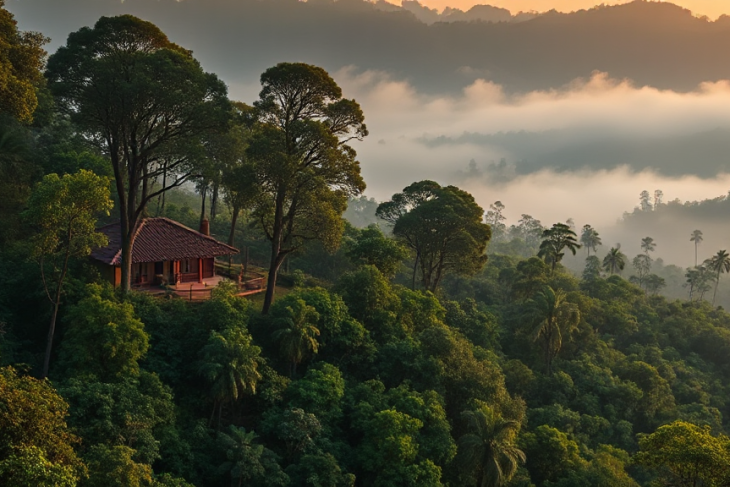
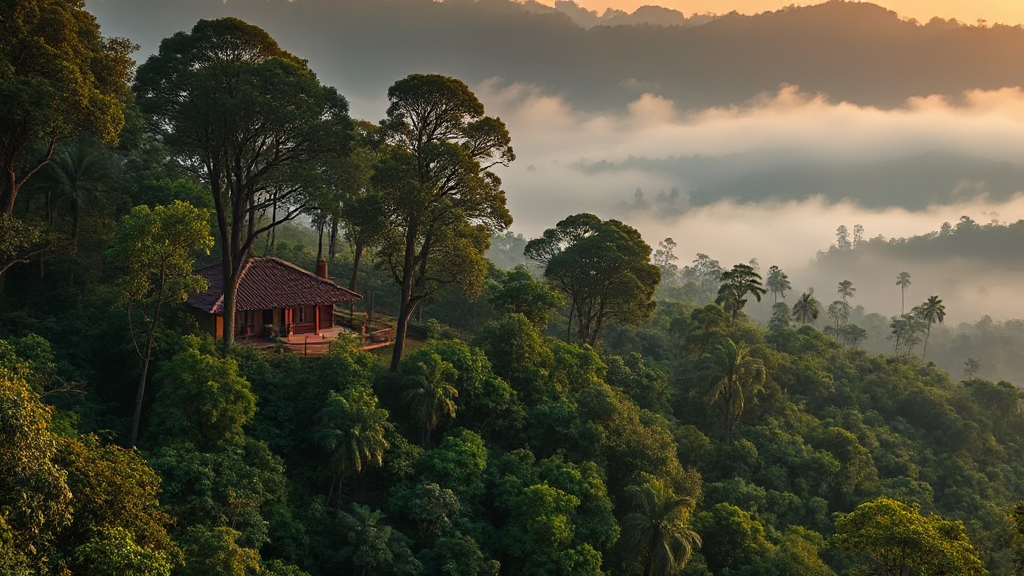
On the third morning, you stop hearing the forest as a single wall of sound. The hornbill’s call separates from the woodpecker’s tap. The river below the cottage has a rhythm you can almost predict. By then, the staff at the dandeli jungle resorts know how you take your coffee and which trail you prefer before breakfast. This is what three nights does to a place: it turns novelty into familiarity, and familiarity into the kind of quiet attention that a two-night dash never allows.
Most visitors treat Dandeli as a checklist. Arrive Friday, raft Saturday morning, squeeze in a nature walk, leave Sunday with a camera full of photos and a vague memory of green. The jungle resorts here deserve better than that, and so do you. The case for staying three nights at one property rather than hopping between several is simple but rarely made: depth beats coverage, and in a forest, depth is the only thing that pays.
Why property hopping quietly ruins a jungle stay
There is a particular kind of exhaustion that comes from moving between resorts in a place like Dandeli. You pack and unpack. You re-explain your food preferences. You lose the corner of the veranda where the light was best at 4 p.m. You spend the first evening of each new stay orienting yourself and the last morning preparing to leave, which means the actual middle — the part where a place starts to feel like yours — never really arrives.
Jungle resorts are not interchangeable. Each sits in a slightly different pocket of the forest, with different trees outside the window, different birds at dawn, different distances from the river. Hopping between them gives you a sampler of settings but no relationship with any of them. And a jungle, more than a beach or a city, rewards relationship. The naturalist who takes you out on day one will point at a Malabar pied hornbill and tell you its name. The same naturalist on day three will remember that you wanted to see a trogon, and will have saved a spot where one has been calling all week.
There is also the practical arithmetic of transfers. Every move between properties eats a chunk of daylight, and daylight is the whole point of being here. Three nights in one place gives you two full days and two full evenings on the ground. Three nights split across two or three properties gives you fragments, and fragments are what you came to escape.
The properties promoted through Resort In Dandeli — names like Golden Eagle Jungle Stay, White Tusker Jungle Stay and Whistling Woodzs — each have their own character, and that is precisely why they are worth committing to rather than sampling. A stay is a conversation with a place. You cannot have a conversation in three short sentences.
What the third day gives you that the first two cannot
The first day is reconnaissance. You learn where the dining area is, which path leads to the river, how cold the water is, and whether the monkeys are bold. The second day is activity: the rafting run, the coracle ride, the guided walk, the camera working overtime. The third day is when the stay becomes an experience rather than an itinerary.
On the third morning, you wake before your alarm because the forest is already awake and you have learned its schedule. You walk a trail you have walked before and notice what you missed — a burrow, a fungus shaped like a fan, a spider repairing a web. You sit by the river without feeling the urge to photograph it. You have a conversation with a guide that is not about species names but about how the river changes between monsoon and summer. This is slow travel in its truest form: not doing less, but being somewhere long enough for the place to start doing something to you.
Three nights also makes the adventure side of Dandeli more enjoyable. Rafting on the first full day is thrilling but slightly disorienting; you are busy surviving the rapids and forget to look at the forest pressing in on both banks. By the third day, if you raft again — and many packages with free rafting make that easy — you notice the kingfishers, the way the light falls through the canopy, the small beaches where the river pauses. The same activity becomes a different experience because you are no longer a beginner at being here.
There is a quieter benefit too: the staff. A three-night guest is not a room number. The cook remembers you liked the local fish. The manager points out a shortcut to the viewpoint. The naturalist saves you a seat on the evening jeep. These small recognitions are what people actually remember about a jungle stay, and they cannot be manufactured in twenty-four hours.
None of this means every stay must be a week. Three nights is the minimum dose for the effect to kick in — long enough to settle, short enough to fit into a real weekend with a day of leave. It is the sweet spot that slow travelers have quietly known for years: fewer places, longer stays, deeper memories. If you are planning a trip to the forests around Dandeli, choose one property, unpack fully, and give the jungle three mornings. The third one is the one you will still be thinking about months later.