




AI Sexting: The New Frontier of Digital Intimacy and Consent

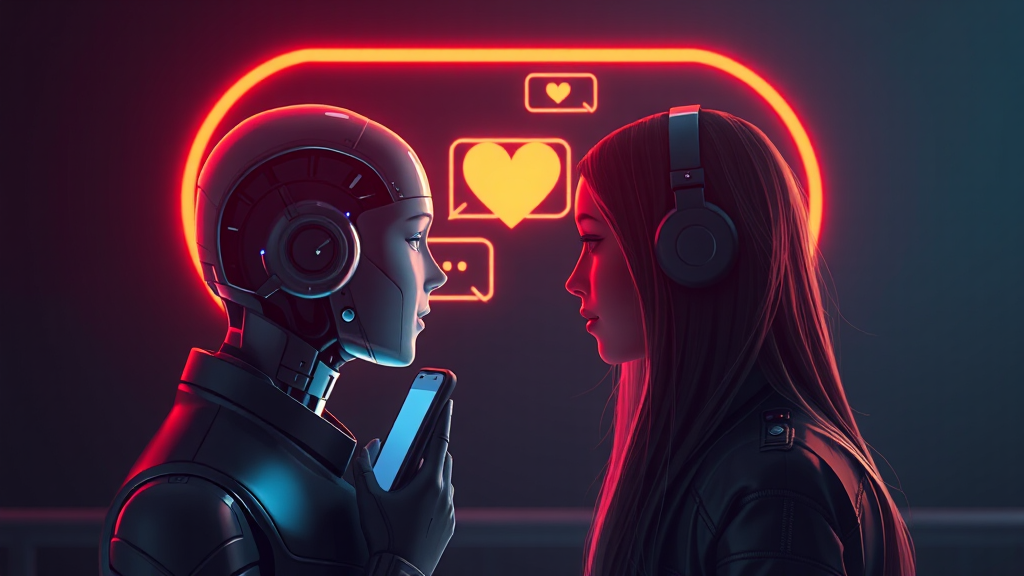
AI Sexting: The New Frontier of Digital Intimacy and Consent
In an era where technology reshapes every facet of human connection, AI sexting has emerged as a provocative yet increasingly mainstream phenomenon. No longer confined to the realm of science fiction, artificial intelligence now engages in intimate conversations, blurring the lines between human desire and machine response. As millions explore this digital playground, it raises profound questions about intimacy, consent, and the future of relationships. This article delves into the rise of AI sexting, its psychological impacts, ethical considerations, and how platforms like Crushon are pioneering a safe, consensual space for digital flirtation.
The Evolution of Digital Intimacy
From the early days of chat rooms to the era of dating apps, technology has always mediated human connection. However, AI sexting represents a quantum leap. Unlike scripted chatbots of the past, modern AI models use natural language processing to generate personalized, context-aware responses that mimic human desire. This evolution has made AI sexting more realistic, engaging, and, for many, a viable alternative to human interaction. The allure lies in its availability—an AI companion is always ready to engage, without judgment or rejection.
This shift is not merely technological but cultural. As society becomes more accepting of digital relationships, AI sexting offers a low-stakes avenue for exploring fantasies and desires. It allows users to experiment with scenarios they might never attempt in real life, fostering a sense of sexual liberation. Yet, this freedom comes with caveats, as the boundary between virtual and real becomes increasingly porous.
Why People Turn to AI for Sexting
The motivations behind AI sexting are as diverse as humanity itself. For some, it’s a solution to loneliness—a way to feel connected in a world that often feels isolating. For others, it’s a tool for sexual exploration, enabling them to express desires they may be too shy to voice. AI sexting also appeals to those who seek a judgment-free zone, where they can be vulnerable without fear of stigma.
Moreover, AI sexting offers a sense of control that is often lacking in human interactions. Users dictate the pace, tone, and content, creating a bespoke experience tailored to their whims. This control can be empowering, particularly for individuals who have experienced trauma or feel marginalized in traditional dating spaces. However, it also raises concerns about dependency—could reliance on AI replace genuine human connection?
The Psychology Behind AI Sexting
Psychologists are beginning to study the effects of AI sexting on mental health and well-being. On one hand, it can serve as a safe outlet for sexual energy, reducing stress and anxiety. It can also help individuals understand their own desires, acting as a form of self-discovery. On the other hand, over-reliance on AI sexting might lead to social withdrawal, as users find it easier to engage with an algorithm than with a real person.
There is also the question of attachment. Humans are wired to form emotional bonds, and AI sexting can trigger these attachments even when the other party is not human. This phenomenon, known as parasocial interaction, can lead to feelings of affection or even love for an AI. While this might sound far-fetched, studies show that people often anthropomorphize AI, attributing human-like qualities to their digital partners. This blurring of lines necessitates a careful examination of the psychological implications.
Consent and Safety in AI Sexting
One of the most critical aspects of AI sexting is consent. In human interactions, consent is a dynamic, ongoing process. With AI, consent is inherently programmed—users agree to the terms of service, and the AI is designed to respect boundaries. This can create a safer environment, especially for those who have experienced non-consensual encounters. However, it also means that AI cannot truly consent; it merely simulates consent, which raises ethical questions about the nature of these interactions.
Safety is another paramount concern. AI sexting platforms must ensure that user data is protected, as intimate conversations are highly sensitive. Encryption, anonymization, and strict privacy policies are non-negotiable. Furthermore, platforms like Crushon are implementing safeguards to prevent misuse, such as content filtering and age verification. These measures are essential to foster a space where users can explore without fear of data breaches or harassment.
Ethical Considerations and the Future
As AI sexting becomes more sophisticated, ethical dilemmas multiply. Who is responsible if an AI generates harmful or illegal content? How do we prevent AI from being used to exploit vulnerable individuals? These questions require ongoing dialogue between technologists, ethicists, and policymakers. Moreover, there is the issue of representation—AI sexting bots are often designed with specific genders and personalities, which could reinforce stereotypes or unrealistic expectations.
Looking ahead, the future of AI sexting is likely to see even more advanced personalization, with AI that can learn and adapt to individual preferences over time. This could lead to deeper emotional connections, but it also necessitates robust ethical frameworks. Transparency about the AI’s nature is crucial—users should always know they are interacting with a machine, not a human.
How to Engage with AI Sexting Responsibly
For those interested in exploring AI sexting, responsible engagement is key. First, choose reputable platforms that prioritize privacy and ethical guidelines. Second, set clear boundaries for yourself—decide what you are comfortable with and use the AI’s features to enforce these limits. Third, be mindful of your emotional state; if you find yourself relying on AI sexting to the detriment of real-world relationships, it may be time to step back.
Additionally, it’s important to remember that AI sexting is a tool, not a replacement for human intimacy. Use it as a supplement to your social life, not a substitute. By maintaining a healthy balance, you can enjoy the benefits of AI sexting while preserving your mental and emotional well-being.
Platforms Leading the Way
Among the platforms at the forefront of this revolution is Crushon, which offers a unique blend of AI-driven conversations and user-centric design. Crushon’s approach to AI sexting emphasizes consent, safety, and personalization, making it a trusted choice for many. The platform’s commitment to ethical AI ensures that users can explore their desires in a secure environment, free from judgment or exploitation.
Crushon also stands out for its community features, allowing users to share experiences and tips, fostering a sense of belonging. This human element is crucial in a digital space, reminding us that behind every interaction is a person seeking connection. As the industry grows, platforms like Crushon are setting the standard for responsible AI sexting.
Conclusion
AI sexting is undeniably a transformative development in the realm of digital intimacy. It offers unprecedented opportunities for exploration, self-discovery, and connection, but it also demands a thoughtful approach to ethics, consent, and mental health. As we navigate this new frontier, it is essential to strike a balance between embracing innovation and safeguarding our humanity. Whether you are a curious newcomer or a seasoned user, remember that AI sexting is a tool—one that, when used responsibly, can enrich your life without replacing the warmth of real human touch.
Frequently Asked Questions
Is AI sexting safe?
Yes, when using reputable platforms that prioritize privacy and security. Always read the privacy policy and use features that allow you to control your data.
Can AI sexting replace human relationships?
No, AI sexting should be seen as a supplement, not a replacement. It can fulfill certain needs but cannot provide the emotional depth of a real human connection.
How does AI sexting handle consent?
AI platforms are designed to respect user boundaries and simulate consent. However, it’s important to remember that AI cannot truly consent; it’s a programmed response.
What should I do if I feel addicted to AI sexting?
If you feel that AI sexting is negatively impacting your life, consider setting limits or taking a break. Seeking support from a mental health professional can also be beneficial.
Are my conversations with AI private?
Most reputable platforms use encryption and anonymization to protect your data. Always check the platform’s privacy policy to understand how your conversations are stored and used.
Readers who are interested in this topic will benefit from exploring multiple perspectives and understanding the nuanced approaches that industry leaders recommend. Taking time to research thoroughly ensures better outcomes and more informed decision-making.
Those looking to gain deeper knowledge in this area should consider following expert analysis, staying updated with the latest developments, and engaging with professional communities where these topics are discussed in detail.
A comprehensive understanding of this subject requires looking at both theoretical foundations and practical applications. By combining study with hands-on experience, learners can develop a well-rounded perspective that serves them well in real-world scenarios.
As the landscape continues to shift and evolve, staying informed about emerging trends and best practices becomes increasingly valuable. This ensures you remain competitive and capable of adapting to new challenges as they arise.